
Construction is changing with new technology. One of the best tools for modern construction is BIM in Construction management. This tool helps architects, engineers, and builders create better buildings with less effort. Building Information Modelling makes projects faster, cheaper, and more efficient. In this article, we will explore the top benefits of Building Information Modelling and how it is shaping the future of construction.
What is Building Information Modelling (BIM)?
BIM in Construction management is a smart digital process that helps in planning, designing, and managing buildings. It creates a 3D model that includes every detail of the project. This model helps teams work together better and avoid mistakes. Building Information Modelling is now used worldwide to improve construction quality and reduce costs.
BIM is not just about 3D models. It includes data on materials, structure, energy use, and even future maintenance. Engineers and architects can use this information to create buildings that are safer, more durable, and environmentally friendly. Governments and major construction companies are now making Building Information Modelling a standard practice because of its many advantages.
Benefits of Building Information Modelling (BIM)
Better Planning and Design
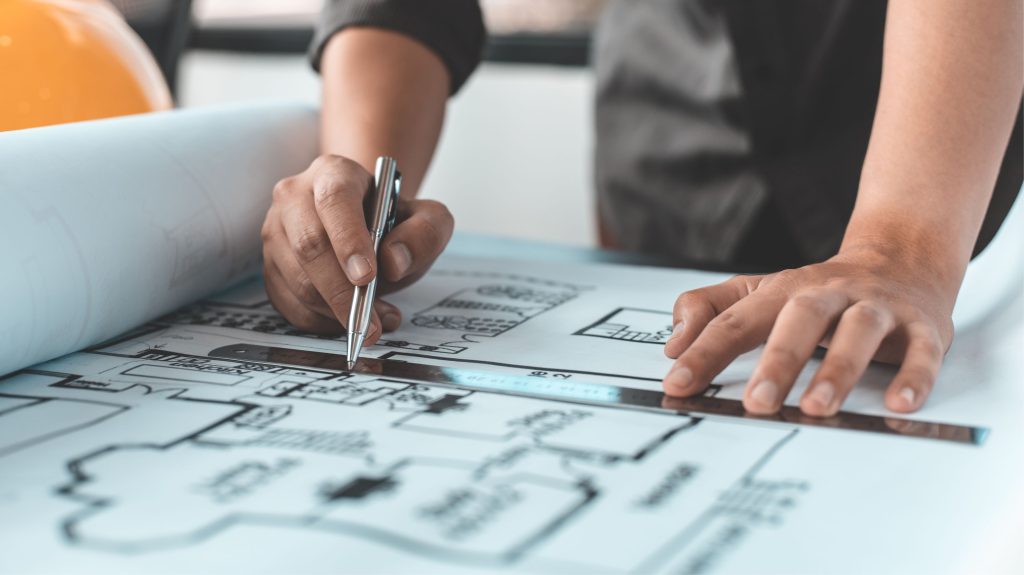
Building Information Modelling allows teams to see the whole project before construction begins. With a 3D model, architects and engineers can check if their designs work properly. It helps in spotting mistakes early and making changes before the actual construction starts. This saves both time and money.
Additionally, BIM enables real-time collaboration between different teams. Engineers, designers, and contractors can share updates instantly, ensuring that everyone is on the same page. This reduces confusion and prevents costly rework.
Reduced Construction Costs
One of the biggest benefits of Building Information Modelling is cost reduction. Since BIM helps in detecting errors before construction starts, companies do not have to spend extra money fixing mistakes. Also, BIM helps in estimating material costs accurately, which prevents overspending.
By using BIM, construction companies can optimize the use of resources. It helps in calculating the exact amount of materials needed, reducing waste, and minimizing unexpected expenses. Cost-saving is one of the key reasons why more firms are adopting BIM technology.
Faster Project Completion
Construction projects often face delays. They help in scheduling tasks more effectively. It ensures that all teams work together in a well-organized way. This reduces delays and helps projects finish on time.
BIM allows for better coordination between different construction activities. The software can automatically detect clashes in designs, preventing problems before they arise. With proper planning and fewer errors, projects can be completed faster without compromising quality.

Improved Collaboration
In big construction projects, different teams work together, including architects, engineers, and contractors. It makes teamwork easier by providing a shared digital model. This allows everyone to access the latest updates in real time, avoiding miscommunication and confusion.
Cloud-based BIM platforms make collaboration even smoother. Team members from different locations can work on the same project without physical meetings. This speeds up decision-making and reduces the time required for approvals.
Higher Construction
Quality With BIM in Construction management engineers can create more accurate designs. The 3D model helps in checking every detail, ensuring that everything is built correctly. This improves the quality of construction and makes buildings stronger and safer.
BIM also helps in identifying potential risks and weaknesses in a building’s structure before the construction phase. Engineers can analyze different scenarios and modify the design to make it more durable and secure. High-quality construction leads to long-lasting and well-performing buildings.
Efficient Resource Management
Materials and labor are important parts of any construction project. They help in managing resources effectively. It ensures that the right amount of materials is used, reducing waste and saving money. It also helps in scheduling workers efficiently, improving productivity.
With BIM, project managers can allocate resources more effectively. They can track material usage, labor availability, and equipment needs in real-time. This helps in avoiding shortages or overuse of resources, leading to better efficiency in project execution.
Safer Worksites
Safety is a major concern in construction. Building Information Modelling helps in identifying risks before the actual work begins. Engineers can analyze different scenarios and find ways to make the site safer. This reduces accidents and makes the work environment better for workers.
BIM can simulate construction processes and highlight safety hazards. Companies can plan safety measures in advance, ensuring compliance with regulations and protecting workers from potential dangers. Reducing on-site accidents saves lives and minimizes project disruptions.
Environmental Sustainability
Building Information Modelling supports eco-friendly construction. It helps in reducing material waste, saving energy, and choosing sustainable materials. With BIM, companies can design buildings that use fewer resources and have a smaller impact on the environment.
Green building designs are easier to achieve with BIM. Engineers can calculate energy consumption, water usage, and carbon emissions in advance. By optimizing designs for energy efficiency, construction firms can contribute to a more sustainable future.
Easy Maintenance and Facility Management
The benefits of Building Information Modelling do not stop after construction is completed. The 3D model helps in managing buildings even after they are built. Facility managers can use BIM to track maintenance schedules, monitor systems, and plan upgrades. This keeps buildings in good condition for a long time. BIM stores valuable data on building components, making repairs and renovations easier. If an issue arises, facility managers can quickly access relevant details to fix the problem without unnecessary delays or expenses.
Future of Building Information Modelling (BIM)
Technology is always improving, and BIM Construction management is becoming even more advanced. In the future, BIM will integrate with Artificial Intelligence (AI) and Virtual Reality (VR) to create even smarter construction methods. More companies will adopt BIM to improve efficiency and reduce costs.
AI-powered BIM will automate complex calculations, reducing human errors. Virtual Reality will allow architects and clients to walk through virtual buildings before they are built, making planning more interactive and precise. The future of BIM is promising and will continue to revolutionize construction.
Conclusion
BIM in Construction management is transforming modern construction. It improves planning, reduces costs, increases safety, and supports sustainability. With its many benefits, BIM is the future of the construction industry. Companies using BIMcan build faster, smarter, and better. If you are in the construction business, now is the time to embrace BIM and take advantage of its benefits!