
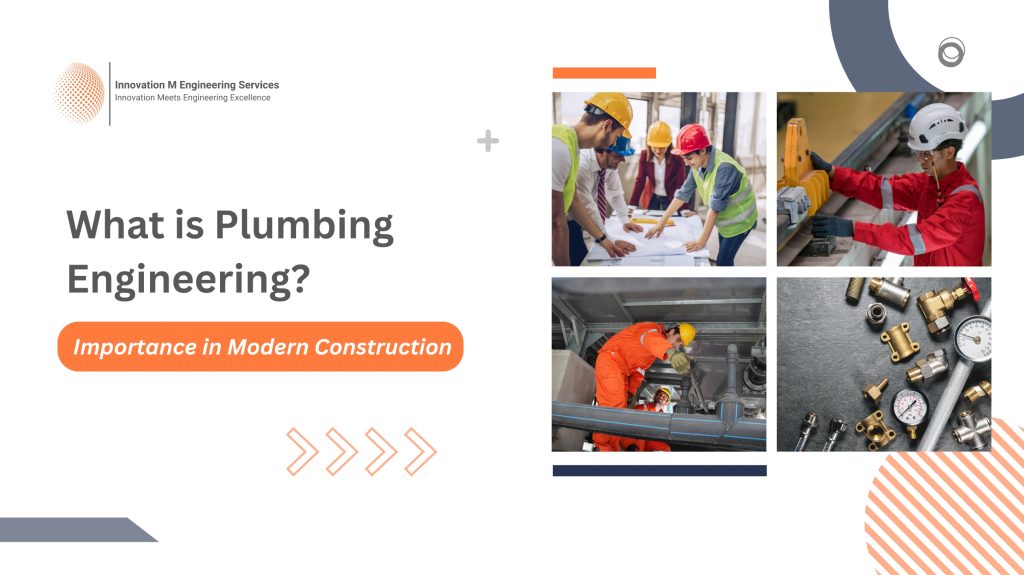
Modern buildings are dependent on complex water distribution, drainage, and safety systems that function constantly behind walls and ceilings. Studies in building maintenance frequently reveal that water system failures are among the costliest operational problems in commercial properties. This is the reason that developers frequently ask what is Plumbing Engineering and how it influences consistency and long-term performance. Plumbing engineering is the discipline that plans, calculates, and coordinates water supply, drainage, and sanitary systems so that buildings operate safely, efficiently, and sustainably.
Understanding this field helps project owners prevent leaks, pressure issues, and health hazards that often initiate from poor early-stage planning.
What is Plumbing Engineering
Plumbing engineering is defined as the scientific design of water systems in buildings and infrastructure. It involves potable water supply, drainage, stormwater management, and specialized systems like medical gas or recycled water networks. Plumbing engineering is not simple installation, rather it is the discipline that predicts how water flows under real operating conditions.
The objective is to ensure reliable performance without unnecessary energy consumption or maintenance problems. Engineers estimate pipe sizes, pressure levels, and material compatibility before construction starts. This prevents costly changes later.
Careful planning of modern building construction is essential because modern buildings include high occupancy loads and sustainability obligations. Efficient design decreases water waste and supports environmental compliance.
Role of Plumbing Work in Construction
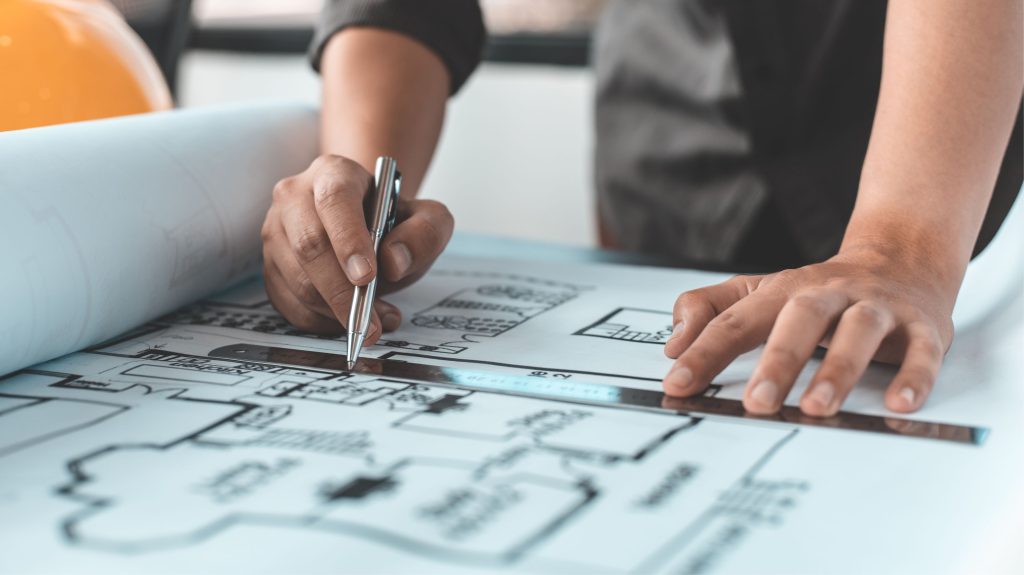
Plumbing work in construction is combined with architecture and structure. Without coordination, installations conflict and insist on redesign, because pipes share space with beams, ducts, and electrical pathways.
Engineers work together with architects to guarantee adequate space and access for maintenance. They also coordinate drainage slopes and service routes to block structural interference.
Proper coordination affects:
- Structural reliability
- Ceiling height clearance
- Maintenance accessibility
- Construction sequencing
This incorporation ensures that the building functions as intended instead of relying on field improvisation.

Key Responsibilities of Plumbing Engineering
Detailed calculations and system planning are involved in plumbing design services. Engineers decide about demand loads based on occupancy and usage patterns. They assess pressure losses across floors and confirm safe discharge systems.
These responsibilities need both technical analysis and practical coordination.
Main responsibilities involve:
- Water demand computation
- Pipe sizing and routing
- Drainage and venting design
- Fixture selection compatibility
- Compliance documentation
If proper analysis is conducted, systems operate efficiently without noise, vibration, or contamination risks.
What Plumbing Engineers Do
Plumbing engineers participate during entire project lifecycle. Their involvement starts during concept design and continues through construction review.
During early stages they estimate building layout and define water system zones. Later they review installation quality and confirm performance during commissioning.
Usual workflow phases include:
- Concept design planning
- Detailed system calculation
- Coordination with other disciplines
- Construction inspection review
- Performance confirmation
Continuous involvement enhances consistency and reduces post-handover issues.
Importance of Plumbing Design Services
Professional plumbing design services enhance safety and operational efficiency. Improper design repeatedly causes pressure imbalance, contamination risk, and too much maintenance.
Engineers evaluate backflow safety and sanitary separation. They also guarantee that water conservation standards are met without losing comfort.
Benefits include:
- Decreased leakage risk
- Enhanced water quality
- Lesser maintenance cost
- Regulatory agreement
Trustworthy systems protect both occupants and building owners.
When to Hire Plumbing Engineers
Some projects expect specialized expertise beyond basic installation planning. Large facilities depend on accurate load calculations and redundancy planning.
Organizations normally hire plumbing engineers for:
- Hospitals and laboratories
- High-rise buildings
- Hotels and commercial complexes
- Industrial facilities
Complex occupancy patterns need predictive analysis instead of rule-of-thumb design.
Role of MEP Consulting Firm in Project Coordination
An MEP consulting firm coordinates mechanical, electrical, and plumbing disciplines so that systems collaborate. Plumbing interacts closely with HVAC and power systems, remarkably for pumps and heating equipment.
Coordination guarantees that pipe routing does not obstruct ventilation paths or electrical access. It also enables integrated energy and water efficiency approaches.
Proper multidisciplinary planning enhances both performance and constructability.
Integration With MEP Engineering Design Services
MEP engineering design services mix building services into a unified plan. Plumbing systems and mechanical equipment share same equipment rooms and service shafts.
Integrated planning avoids overloading service spaces. Engineers align equipment capacities, so that systems support each other efficiently.
This coordination results in:
- Balanced equipment management
- Decreased energy consumption
- Easier maintenance access
- Reliable documentation
Unified design increases long-term building performance.
Engineering Solutions for Modern Water Systems
Modern buildings need sustainable water management. Engineering solutions now embrace reuse systems and smart monitoring.
Engineers outline greywater recycling, rainwater harvesting, and pressure control zones. These systems decrease environmental impact and operational cost.
Advanced solutions maintain:
- Water conservation
- Pressure stabilization
- Flood prevention
- System monitoring
Sustainable design increases building value and compliance.
Using Engineering Staff Augmentation for Large Projects
Large developments often expect extended design support. Engineering staff augmentation delivers additional technical capacity during peak design phases.
External experts assist documentation preparation while core teams provide oversight. This flexibility maintains schedules stable without permanent hiring expansion.
Organizations benefit from scalable technical support that is aligned with project workload.
Benefits of Professional Plumbing Systems Expert
Engaging a plumbing systems specialist improves project outcomes substantially.
Key advantages include:
- Consistent water pressure distribution
- Increased sanitation safety
- Decreased operational downtime
- Long-term cost efficiency
These benefits arise because systems are designed scientifically instead of adjusted after installation.

Conclusion
Trustworthy buildings depend on properly engineered water systems that work safely for decades. IM Engineering Services offers coordinated plumbing and MEP expertise that is supported by collaborative digital workflows, helping projects attain efficiency and compliance from concept to operation.